How the Cash Home Buying Process Works, Step by Step
How the Cash Home Buying Process Works, Step by Step
Selling a house for cash typically takes seven to fourteen days from first contact to closing, compared to the two-to-three-month timeline of a traditional listing. The process usually follows a simple path: you reach out, a buyer evaluates your property, you receive a no-obligation offer, and if you accept, you pick a closing date that works for you. For Cincinnati homeowners dealing with a tight timeline, an inherited property, or a house that needs more work than they want to take on, understanding each step ahead of time makes the whole experience feel far less overwhelming.
Reaching Out and Sharing Basic Property Details
The process starts with a simple conversation. Most cash buyers, including local companies here in Greater Cincinnati, will ask for basic information: the property address, its general condition, how long you've owned it, and why you're considering selling. This isn't an interrogation — it's how a buyer starts to understand what your home is worth and whether a cash sale makes sense for your situation.
You can usually do this over the phone, through a website form, or even by text. There's no paperwork required at this stage, and you're not committing to anything by sharing details. If you're unsure what information matters most, it helps to know what cash home buyers look for in Cincinnati before you even make the call, so you can speak confidently about your property's condition, any repairs it needs, and your ideal timeline.
This step typically takes fifteen to thirty minutes. Some homeowners reach out after receiving a foreclosure notice, others after inheriting a property from a family member in Hamilton County, and some simply because they're tired of managing a rental. Whatever the reason, this first conversation sets the direction for everything that follows.
The Property Walkthrough or Assessment
After the initial conversation, most cash buyers schedule a walkthrough of the property. This is usually far more relaxed than a traditional buyer's inspection. There's no need to patch drywall, repaint, or stage furniture beforehand. Buyers who purchase homes as-is are specifically looking at the property's overall condition, not judging its curb appeal.
During the walkthrough, expect the buyer to look at the roof, foundation, electrical and plumbing systems, and any visible damage. They may take photos and ask questions about past repairs or known issues. This typically takes thirty to sixty minutes, and you don't need to be present the entire time if that's more convenient.
This step matters even for homes in rough shape. Whether you're dealing with fire damage, water damage, or a property that's been neglected for years, this is the stage where an honest evaluation happens. Homeowners who sell a damaged home for cash in Cincinnati often find this part of the process to be a relief compared to the repair demands that traditional buyers make after their own inspections.
In some cases, especially with vacant or hard-to-access properties, buyers can complete this step virtually using photos and video sent directly from your phone.
Getting Your Cash Offer
Once the walkthrough is complete, the buyer calculates an offer based on your home's current condition, recent comparable sales in your neighborhood, and any repairs it would need before resale. This isn't a random number — it's built from real Hamilton County market data.
Most reputable buyers present this offer within twenty-four to forty-eight hours. It should come with a clear explanation of how the number was determined, not just a flat figure with no context. This is a good time to ask questions about the offer, including how it compares to what you might net after agent commissions, repair costs, and months of carrying expenses with a traditional sale.
If you're weighing your options, it's worth comparing a cash offer vs. working with a realtor in Cincinnati before deciding which path fits your situation. A fair cash offer should feel transparent, not rushed. You should never feel pressured to sign on the spot — a trustworthy buyer expects you to take a day or two to think it over, talk to family, or compare it against other options. Understanding what makes a fair cash offer in Cincinnati helps you evaluate whether the number in front of you truly reflects your home's value and your circumstances.
Reviewing and Accepting the Offer
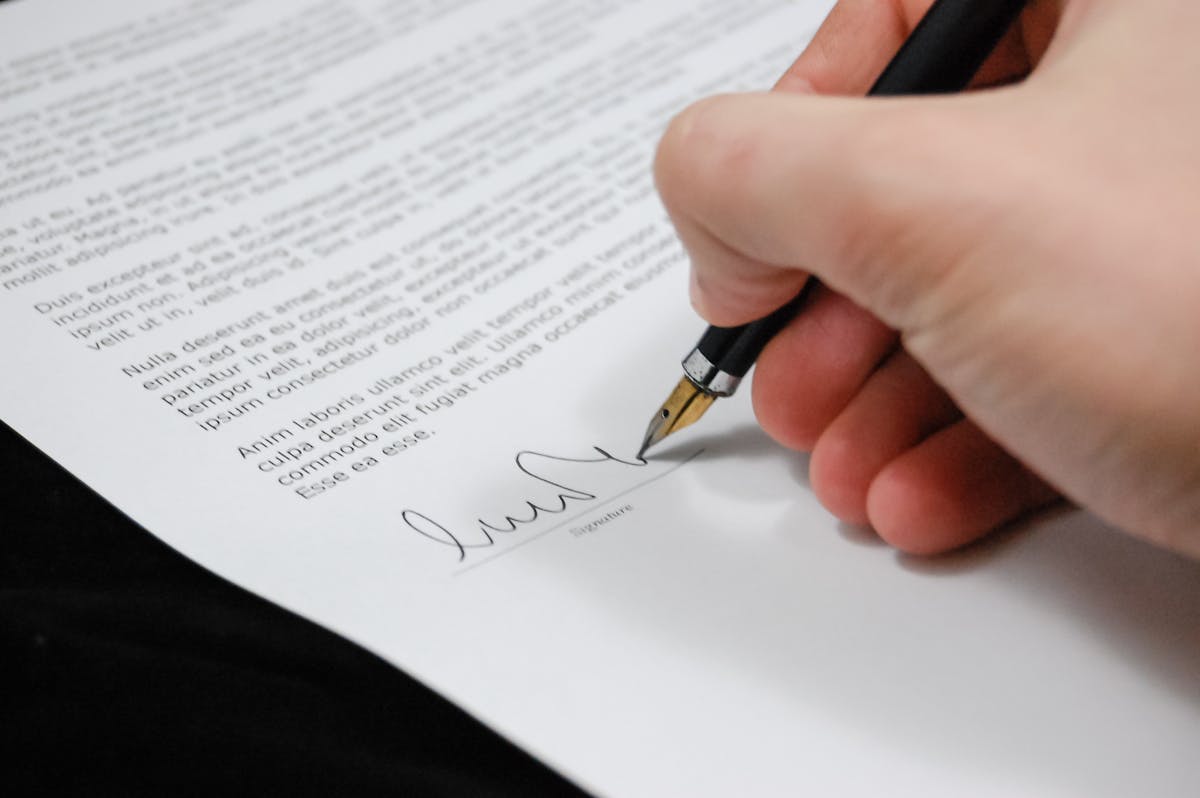
If the offer works for you, the next step is signing a purchase agreement. This document outlines the sale price, closing date, and any contingencies. Unlike traditional contracts, cash sale agreements are usually short and straightforward, often just a few pages compared to the lengthy paperwork involved in financed sales.
Take time to read through the agreement carefully. Confirm the closing date works for your schedule, verify there are no hidden fees being deducted from your proceeds, and make sure the buyer is covering standard closing costs, which is common practice among legitimate cash buyers in the Cincinnati market.
This is also the point where you should clarify what happens next. Understanding what happens after accepting a cash offer — including title work, any final walkthroughs, and how proceeds are distributed — helps you feel confident rather than caught off guard by the steps between signing and closing day.
If your situation involves added complexity, like selling a home during a divorce, handling an estate, or navigating probate court in Hamilton County, this is the stage where a knowledgeable buyer should walk you through how those specific circumstances affect the paperwork and timeline. Homeowners managing a probate property sale in Ohio often appreciate having a buyer who understands the county's specific filing requirements.
Title Work and Due Diligence
Once the agreement is signed, a title company gets involved to confirm you legally own the property and to check for any liens, unpaid taxes, or judgments attached to it. This typically takes about a week and runs in the background while you prepare for closing.
If issues turn up, like an old contractor's lien or unpaid property taxes from a previous owner, a good cash buyer will work with the title company to resolve them rather than backing out or asking you to fix things yourself. This is one of the biggest advantages of selling for cash: problems that would kill a traditional financed sale are often just a manageable step in a cash transaction.
For inherited properties, title work can take a bit longer if the estate hasn't been formally settled. If you're in this situation, selling an inherited home in Cincinnati often means coordinating with the title company and possibly the probate court simultaneously. A buyer experienced with these cases can help keep things moving instead of letting the file stall.
During this period, you generally don't need to do anything except respond to occasional requests for documents, like a copy of the deed or a death certificate for an inherited property. Most homeowners describe this stage as the quietest part of the entire process.
Closing Day and Getting Paid
Closing typically happens at a local title company office, though mobile notary services are increasingly common for homeowners who can't make it in person. You'll sign the final closing documents, hand over keys (or arrange a later move-out date if that was agreed upon), and the title company disburses your funds, usually via wire transfer or cashier's check.
Unlike financed sales, there's no risk of the deal falling through at the last minute due to a buyer's mortgage denial, since cash transactions don't depend on lender approval. This is part of why the process feels so much faster and more predictable.
If you're selling a rental property, closing can often be timed around a tenant's lease end date or coordinated so you avoid an extra month of mortgage or utility payments. Landlords looking to sell a rental property fast in Cincinnati often value this flexibility, especially if a tenant situation has become difficult to manage.
Before you get to this stage, it helps to know common pitfalls to sidestep. Reviewing typical mistakes made when selling a home fast in Cincinnati can help you avoid rushing into an agreement with a buyer who isn't transparent about fees or timelines. A smooth closing day should feel almost anticlimactic — a short meeting, a few signatures, and funds in your account, often the very same day.
When a Fast Cash Sale Makes the Most Sense
Not every homeowner needs a cash sale, but certain situations make it a particularly good fit. If you're facing foreclosure, time is often the most critical factor, and understanding how to avoid foreclosure in Cincinnati may involve exploring a cash sale before a deadline passes. Similarly, homes with significant deferred maintenance, hoarding situations, or fire and water damage are often difficult to finance traditionally, making a cash buyer one of the more realistic paths forward.
Inherited properties, homes tied up in divorce proceedings, and rental properties with difficult tenants also tend to benefit from the speed and simplicity cash sales offer. If you're searching for ways to sell your house fast in Cincinnati because life circumstances demand a quicker timeline than the traditional market allows, understanding this process from start to finish puts you in a stronger position to make a confident decision.
Every situation is different, and the right choice depends on your specific goals, timeline, and property condition.
When you're ready to talk through your options, the team at YGV Cash Buyers is happy to walk Cincinnati homeowners through what a cash offer could look like for their specific property, with no pressure and no obligation to move forward.
About YGV Cash Buyers: A local cash home buying company serving Cincinnati and Hamilton County. We buy homes in any condition — no repairs, no commissions, close in as little as 7 days. ygvcashbuyers.com.
Frequently Asked Questions
- How long does the cash home buying process take in Cincinnati?
- Most cash sales close within seven to fourteen days, though timelines can be adjusted to fit your needs, sometimes closing in as little as three days or extended out a few weeks if you need more time to move.
- Do I need to make repairs before selling my house for cash?
- No, cash buyers purchase homes as-is, meaning you don't need to fix, clean, or update anything before the sale.
- Will I get a fair price selling to a cash buyer instead of listing with an agent?
- Cash offers are typically lower than retail market value, but once you factor in agent commissions, repair costs, and months of holding expenses, the net difference is often much smaller than expected.
- What if my Hamilton County property is in probate?
- You can still sell during probate, though the timeline depends on the estate's status; an experienced cash buyer can coordinate with the court and title company to keep the sale on track.
- Are there any fees or closing costs when selling for cash?
- Reputable cash buyers typically cover standard closing costs, so the offer you accept is generally close to what you'll receive at closing.
- Can I sell my house for cash if it's currently rented?
- Yes, many cash buyers purchase properties with tenants in place or can coordinate closing around a lease end date.
- What happens if the title search finds a problem with my property?
- A good cash buyer works with the title company to resolve issues like liens or unpaid taxes rather than canceling the sale outright.
- Is a cash offer negotiable?
- Yes, most buyers are open to discussing the offer, especially if you can point to specific repairs, upgrades, or comparable sales that support a different number.