What Cash Home Buyers Really Look For in Cincinnati
What Cash Home Buyers Really Look For in Cincinnati
Cash home buyers in Cincinnati look at four main things: the property's condition, the clarity of the title, your timeline and reason for selling, and how the numbers stack up against comparable homes in the neighborhood. Understanding these factors can help you know what to expect before you ever request an offer, and it can help you spot a fair deal versus a lowball one.
If you've ever wondered why a cash buyer asks so many questions upfront, it's because those answers directly shape the offer they can make. Here's a closer look at what actually goes into that evaluation.
Property Condition, Not Perfection
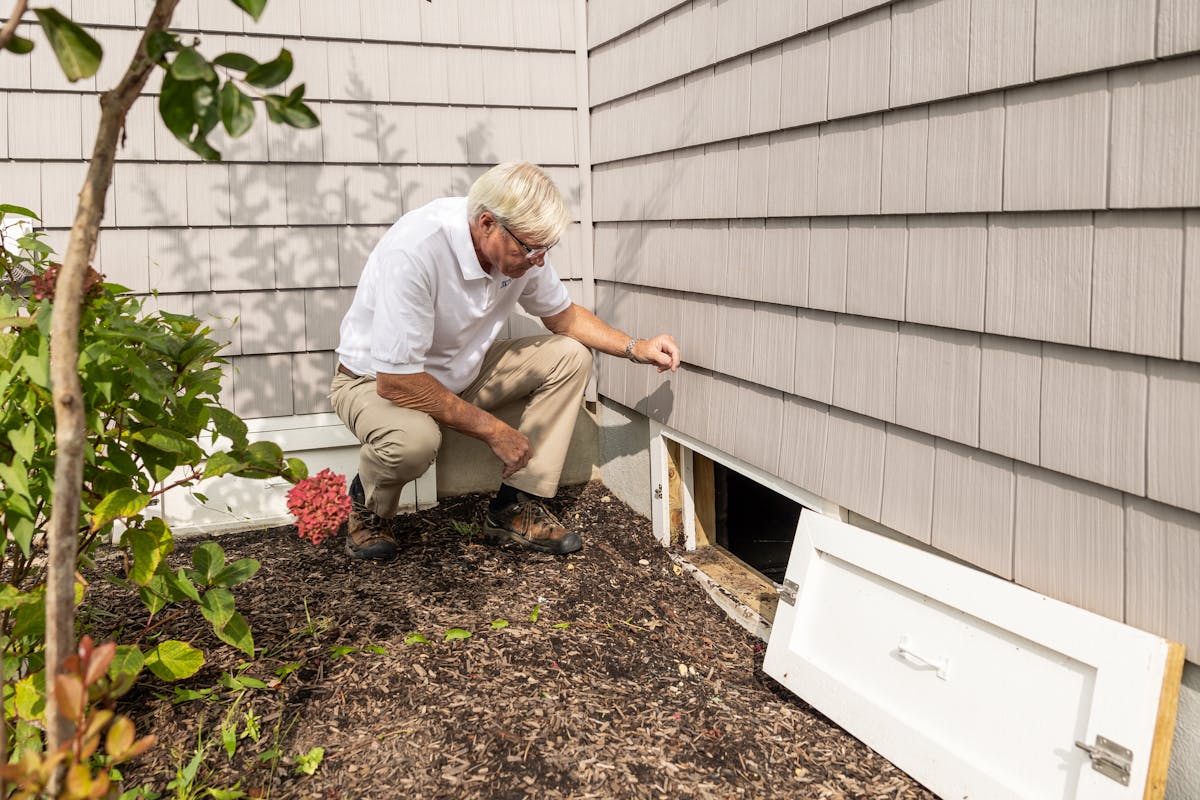
Cash buyers aren't looking for move-in-ready homes — that's actually the opposite of what makes a house a good fit for a cash sale. What they're really assessing is the scope of work needed: roof age, foundation issues, outdated electrical or plumbing, mold, pest damage, or years of deferred maintenance. A buyer will typically do a quick walkthrough or ask for photos rather than ordering a full inspection like a traditional lender would require.
This is good news if your home needs significant repairs. Houses with fire damage, water damage, hoarding conditions, or structural problems are exactly the kind of properties cash buyers specialize in. If you're unsure whether your home qualifies, it's worth reading through what selling a house as-is actually means, since that term gets used loosely and homeowners often assume it means "no offers will come in," which isn't true.
In Cincinnati's older neighborhoods — think Price Hill, Northside, or parts of Walnut Hills — many homes were built 80 to 100 years ago, so knob-and-tube wiring, cast iron plumbing, and settling foundations are common. Cash buyers factor in these realities as part of doing business here, not as deal-breakers. If your property has significant damage, it's worth reviewing how buyers evaluate a sell damaged home for cash situation so you know what documentation or details to have ready.
Title Clarity and Ownership Status
Before making an offer, a serious cash buyer will check whether the title is clean or complicated. This means looking for outstanding liens, unpaid property taxes with Hamilton County, judgments against the owner, or multiple heirs with a claim to the property. A messy title doesn't necessarily kill a deal, but it does affect timeline and structure.
This is especially relevant for inherited properties going through Ohio's probate process, where ownership might not be fully settled yet. Buyers experienced in these situations know how to work alongside an estate attorney or executor to structure a sale that closes once probate clears, rather than waiting for every detail to be perfect before even discussing a price. If you're navigating this, it helps to understand the probate property sale process in Ohio ahead of time so you know which steps are required versus which are just formalities.
Divorce situations carry similar title complexity, particularly when both spouses are on the deed but only one is handling the sale. A good cash buyer will ask about this early rather than surprising you with delays at closing.
Location and Neighborhood Trends
Even in a cash sale, location still matters — it just gets weighed differently than in a traditional listing. Buyers look at recent sale prices for similar homes within a mile or two, rental demand if the property could work as an investment, and whether the area is seeing revitalization or decline. Cincinnati's market varies block by block: a home in Oakley or Hyde Park behaves very differently than one in Bond Hill or East Price Hill, even if the square footage is similar.
Buyers also consider practical location factors like flood zones near the Ohio River, proximity to major employers like the University of Cincinnati or the hospitals along Vine Street, and school district boundaries, since those affect resale value even for an investor holding the property long-term.
Hamilton County's property records are public, so most cash buyers pull recent comparable sales, tax assessments, and permit history before ever stepping foot on the property. This isn't about judging your neighborhood — it's about making sure the offer reflects real market conditions rather than guesswork. A homeowner who understands this can ask better questions and recognize when an offer is grounded in actual data versus an arbitrary lowball number.
Your Reason and Timeline for Selling
Cash buyers pay close attention to why you're selling and how quickly you need to close, because it shapes what kind of flexibility they can offer. Someone facing foreclosure has a very different timeline than someone who inherited a house from an out-of-state relative and just wants it handled without multiple trips back to Ohio.
If you're behind on payments, it's worth learning how to avoid foreclosure in Cincinnati, Ohio before accepting any offer, since timing matters more than almost anything else in that situation. A few weeks can make the difference between selling on your terms and losing the home to the bank entirely.
Inherited properties come with their own considerations — multiple siblings with different opinions, out-of-town heirs, or a home full of belongings that need to be dealt with before or after closing. Reviewing how others have handled selling an inherited home in Cincinnati, Ohio can help set realistic expectations for both the timeline and the paperwork involved.
Divorce sales, job relocations, and downsizing all come with their own pressures too. A buyer who takes time to understand your actual situation, rather than pushing a generic timeline, is usually easier to work with.
Occupancy Status and What's Left Behind
Whether a house is owner-occupied, tenant-occupied, vacant, or full of belongings changes how a cash buyer approaches the deal. Vacant homes are typically the most straightforward, since there's no coordination needed around move-out dates. Tenant-occupied properties require understanding lease terms and Ohio's rules around landlord notice periods, especially if you're trying to sell rental property fast in Cincinnati without disrupting current tenants unnecessarily.
Homes left with years of accumulated belongings — sometimes from a parent or relative who lived there for decades — fall into a different category entirely. Buyers experienced with these situations know not to expect the home to be cleared out beforehand. If this describes your situation, it's worth reading about selling a hoarder house in Cincinnati, since the process usually includes options for leaving unwanted items behind rather than requiring a full cleanout first.
Occupancy status also affects how quickly a sale can close, since vacant properties can often move faster than ones requiring tenant transitions or extensive cleanout coordination.
Liens, Back Taxes, and Financial Encumbrances
Beyond the title itself, cash buyers check for anything that could affect the payoff at closing — mortgage balances, second liens, HOA dues, code violation fines from the city, or unpaid Hamilton County property taxes. None of these automatically disqualify a home, but they do get factored into the final numbers, since they typically get paid off from sale proceeds at closing.
This is one of the most misunderstood parts of the process. Homeowners sometimes assume back taxes or liens mean they can't sell at all, when in reality most cash buyers deal with these situations regularly and can structure the sale around them. Being upfront about any known liens early on speeds things up considerably and avoids surprises during closing.
How Buyers Arrive at a Fair Number
Once condition, title, location, and timeline are understood, buyers calculate an offer based on after-repair value, estimated repair costs, holding costs, and a reasonable margin — not an arbitrary lowball figure. Understanding this formula helps homeowners recognize the difference between a fair cash offer and one that's simply testing how low a seller will go.
It's also useful to compare a cash offer vs. working with a realtor for your specific situation, since the right choice depends on your timeline, the home's condition, and how much certainty you need. Once an offer is accepted, most sellers want to know what happens after accepting a cash offer, and it typically involves a title search, a scheduled closing date, and far less paperwork than a traditional sale.
A Few Common Missteps to Avoid
Homeowners sometimes make the process harder than it needs to be by accepting the first number without asking questions, hiding known issues instead of disclosing them upfront, or feeling pressured into an unrealistic timeline. Being aware of common mistakes when selling a home fast in Cincinnati can help you move quickly without giving up leverage or missing details that matter.
If you're weighing your options and want a straightforward, no-pressure conversation about your specific property, the team at YGV Cash Buyers is happy to walk through the details with you, answer questions honestly, and give you a clear picture of what your home could be worth as-is.
About YGV Cash Buyers: A local cash home buying company serving Cincinnati and Hamilton County. We buy homes in any condition — no repairs, no commissions, close in as little as 7 days. ygvcashbuyers.com.
Frequently Asked Questions
- Do cash home buyers in Cincinnati require an inspection before making an offer?
- Most cash buyers do a simple walkthrough or review photos rather than requiring a formal inspection like traditional lenders do.
- Can I sell my Cincinnati house for cash if I still owe back property taxes?
- Yes, unpaid Hamilton County property taxes are typically paid off from sale proceeds at closing rather than being a barrier to selling.
- How fast can a cash sale close in Cincinnati compared to a traditional listing?
- Cash sales often close in 1 to 3 weeks, compared to 30-60 days or longer for a financed buyer through a traditional listing.
- Will a cash buyer purchase my house if it's still full of a relative's belongings?
- Yes, most cash buyers, including YGV Cash Buyers, allow you to leave unwanted items behind rather than requiring a full cleanout first.
- Does my house need to be vacant to sell it for cash?
- No, cash buyers regularly purchase tenant-occupied and even owner-occupied homes and can work around your specific timeline.
- How do cash buyers determine a fair offer on a Cincinnati home?
- They calculate offers using the home's after-repair value, estimated repair costs, local comparable sales, and holding costs rather than a random number.
- Can I sell an inherited house in Cincinnati before probate is finalized?
- In many cases yes, especially when working with a buyer familiar with Ohio's probate process who can coordinate closing around the estate's timeline.
- Is selling to a cash buyer a good option if I'm facing foreclosure?
- It can be, since a fast closing timeline may help you sell before the foreclosure process is finalized, but acting early gives you the most options.